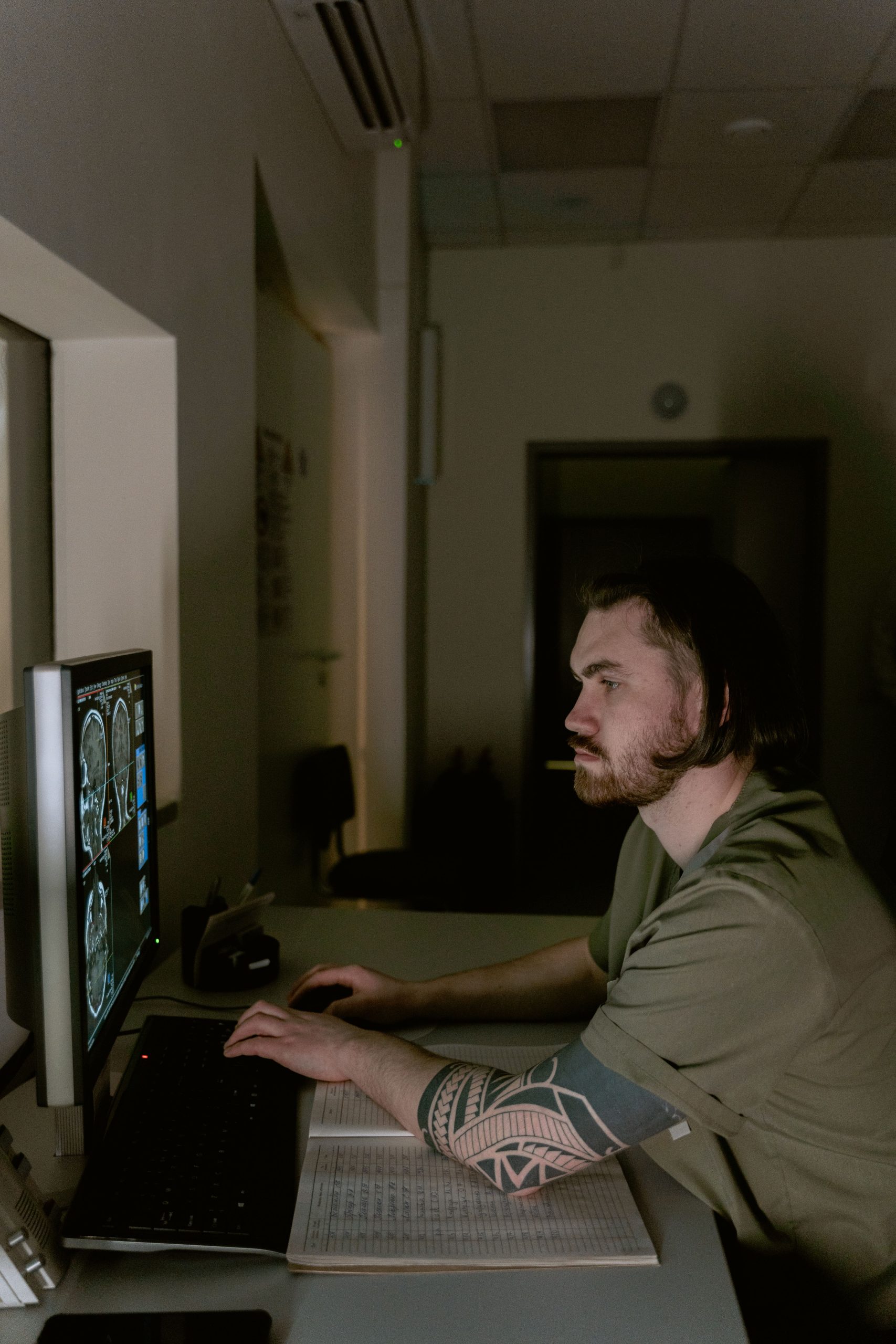
Imagine standing at the starting line — no joystick, no controller, no hands. Just your thoughts. An EEG headset reads your brainwaves. A drone lifts off. And the harder you focus, the faster it flies.
This is not science fiction. It has already happened — and Roboteo is bringing it to the next level.
The Race That Started It All
Drone racing has a surprisingly short history. It all began in 2011, when a group of hobbyists in Germany held the first official race. Since then, it has exploded into a global sport with leagues, prize pools of $50,000 or more, and passionate communities worldwide.
But in April 2023, something different happened at the University of Alabama. Twenty competitors strapped on electroencephalography (EEG) headsets — the same technology doctors use to detect epilepsy and sleep disorders — and raced drones using nothing but their minds. No controllers. Zero hands. Pure thought.
The event was organized by UA computer scientist Prof. Chris Crawford, with competitor and researcher Roya Salehzadeh — now leading the Human Emotions and Robotics Lab at Lawrence Technological University — playing a pivotal role. In 2024, Roya brought the brain-drone race to LTU, continuing to push the boundaries of brain-computer interface (BCI) research through real-world competition.
The Science Behind the Race
Brain-computer interfaces have been in development since the 1970s. The concept is simple: detect electrical signals from the brain, translate them into commands, and relay those commands to a device. The challenge is doing it reliably — and without drilling a hole in your head.
The Brain-Drone Race uses wearable EEG headsets to do exactly that. In earlier races, competitors had a single degree of control: think harder, and the drone speeds up; ease off, and it slows down. By 2023, “active” EEG interfaces allowed racers to control both speed and direction — a major leap forward.
“I found that the key to success was to remain relaxed and consistent in my imagination of hand movements,” Salehzadeh told The Daily Beast. “Once I learned to control my thoughts and visualize the movements clearly, I was able to use the EEG signals to control the drone with greater accuracy.”
Every race is also a research experiment — gathering brain data and qualitative feedback to improve signal processing, machine learning algorithms, and the BCI technology pipeline as a whole.
Roboteo Is Hosting Its First Brain-Drone Race
We are thrilled to announce that Roboteo will be hosting its first-ever Brain-Drone Race. Exact date and location will be announced soon — but we want you thinking about it now.
This event will bring together researchers, engineers, students, and curious minds to experience the cutting edge of human-machine interaction firsthand. Whether you want to compete, contribute to the science, or help make it happen — there’s a place for you.
Get Involved
We are actively building the team and community around this event. If you are interested in joining as:
- A researcher — contribute to BCI data collection, signal processing, or experimental design
- An operations volunteer — help run the event, manage participants, and support the team on race day
- A sponsor — partner with Roboteo to support groundbreaking brain-computer interface research and gain visibility with a forward-thinking community