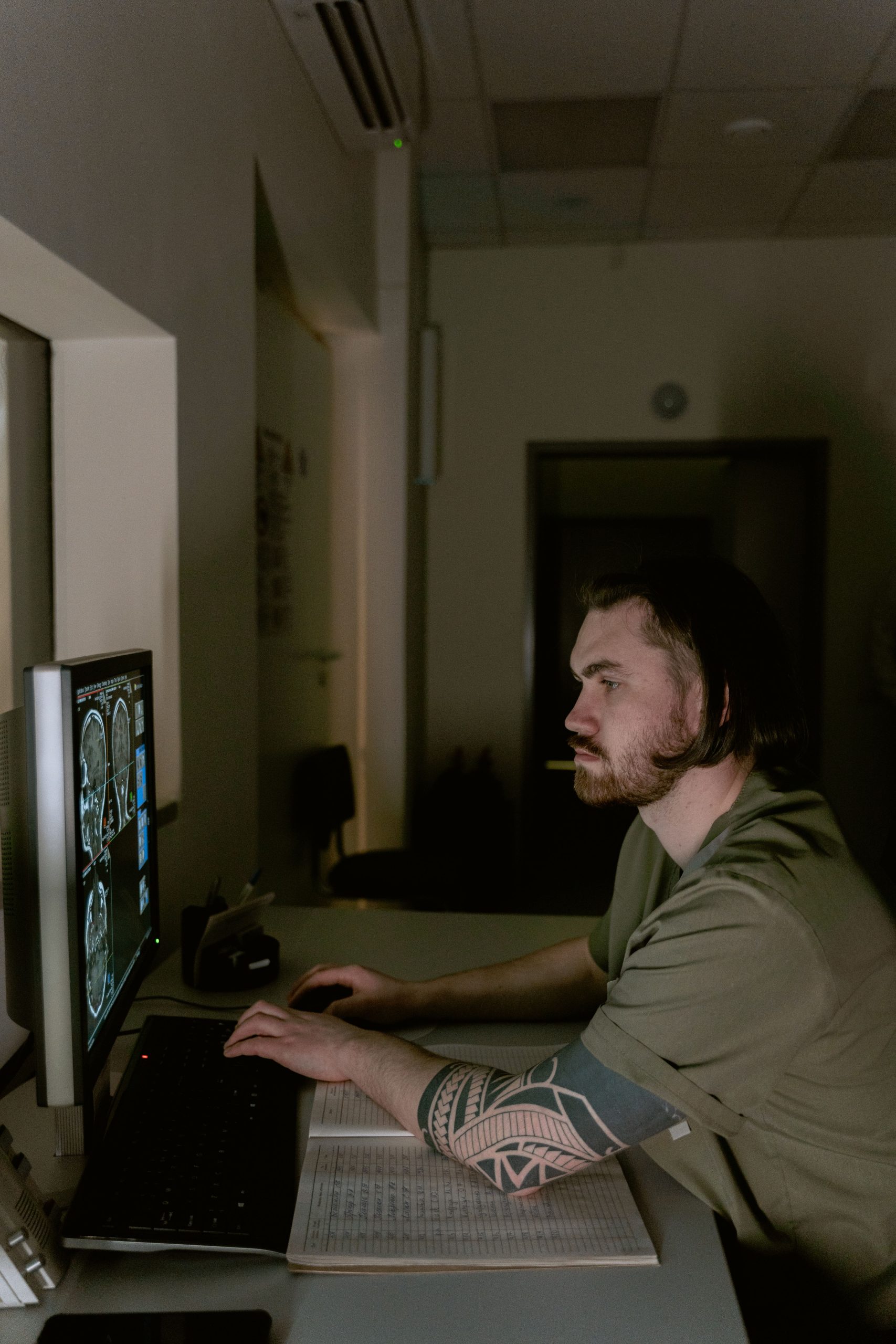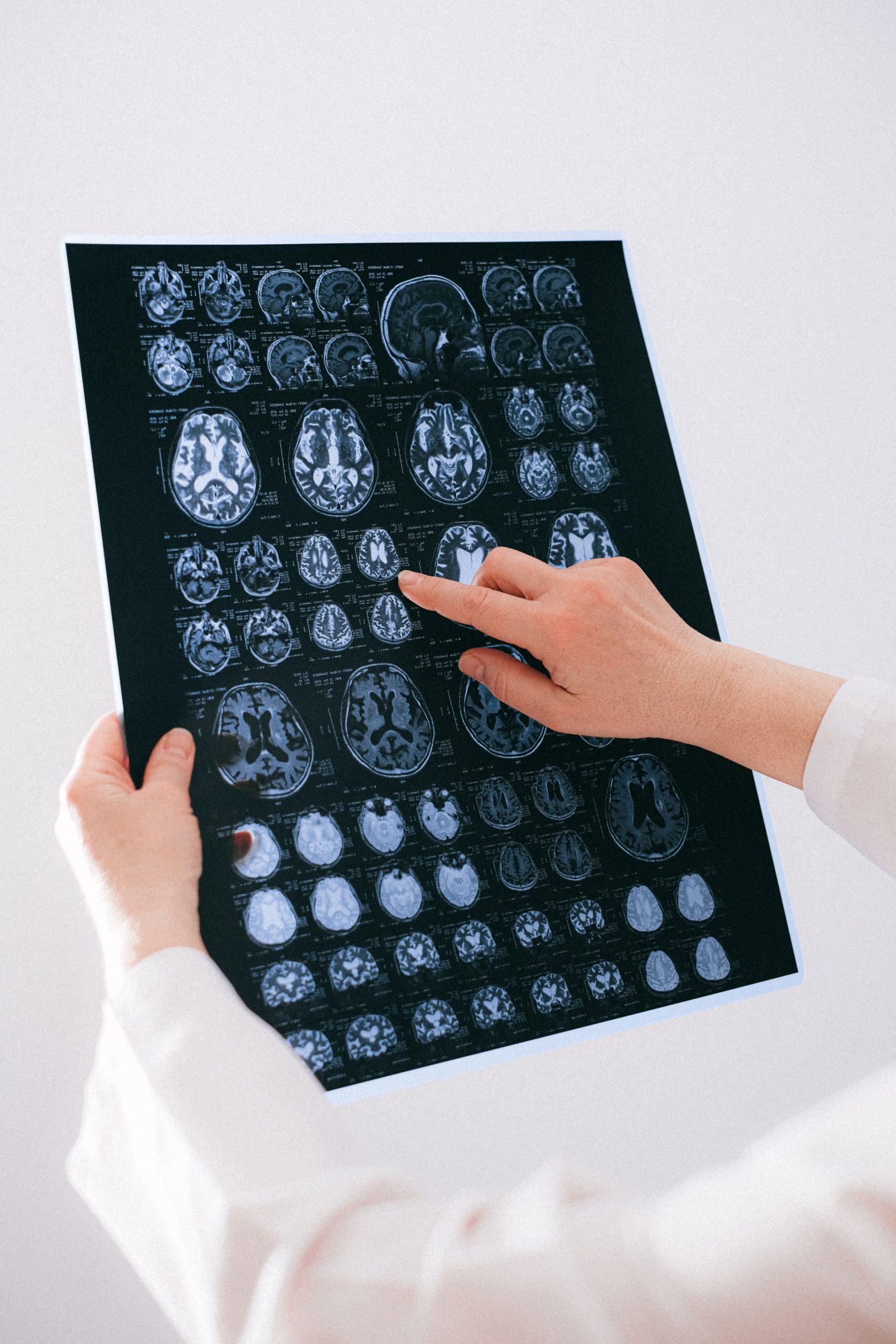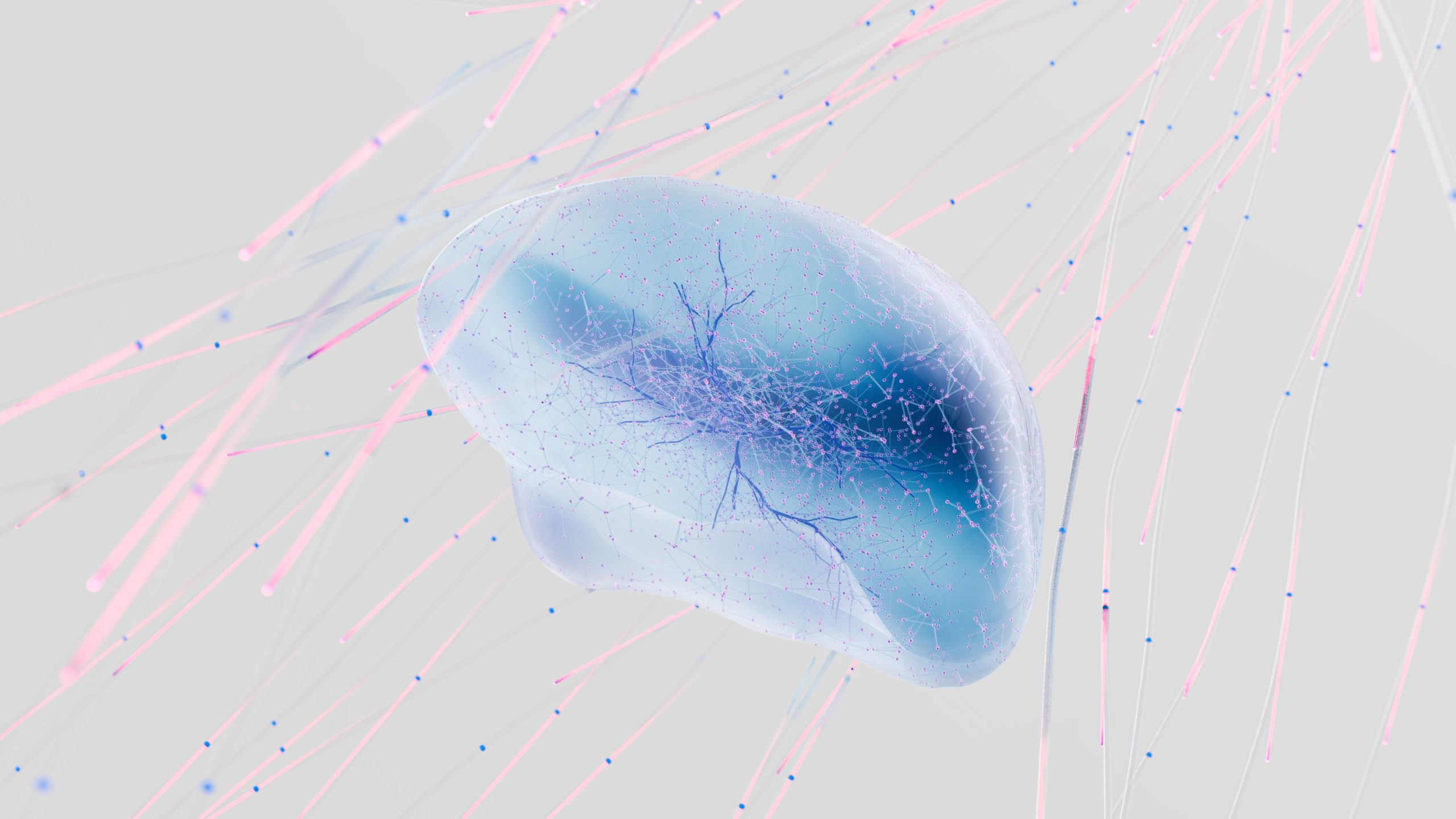
The brain speaks in electricity. For decades, the challenge was finding a reliable translator. That translator has arrived — and it’s built on deep learning, large language models, and real-time neural decoding algorithms that would have seemed like science fiction ten years ago.
The Signal Problem
Brain signals are noisy, variable, and deeply personal. Two people thinking the same thought produce different electrical patterns. The same person thinking the same thought on two different days can produce slightly different patterns. Traditional BCI systems struggled because they relied on rigid signal templates that didn’t adapt.
Modern machine learning changes this entirely. Deep neural networks can learn an individual user’s brain signal fingerprint, adapt in real time as signals drift, and improve accuracy with every session. What previously required weeks of calibration can now happen in minutes.
What’s New in 2025–2026
Generative AI and large language models have entered the BCI pipeline in a significant way. Researchers are now using transformer-based architectures — the same class of models that powers ChatGPT — to decode intended speech from neural signals, enabling non-verbal communication for people who have lost the ability to speak. In parallel, reinforcement learning algorithms allow BCI systems to continuously self-optimize based on user feedback without requiring manual retraining.
The IEEE P2731 standard (2024) established performance benchmarks: 80% accuracy for consumer BCI devices, 99.9% for medical-grade systems. The gap between those two numbers is where AI does its most critical work — pushing consumer-grade hardware toward medical-grade reliability.
What It Means for Brain-Drone Racing
In the context of Roboteo’s Brain-Drone Race, AI-enhanced decoding means more responsive, more forgiving, and more exciting competition. When the gap between a thought and a drone’s movement shrinks from hundreds of milliseconds to near-instantaneous, the race stops feeling like operating a machine and starts feeling like an extension of the mind itself.
We are actively integrating the latest neural decoding approaches into our research pipeline. The smarter the AI gets at reading brains, the closer we get to the purest form of human-machine collaboration.